
Precision turning that keeps running after the shift ends.
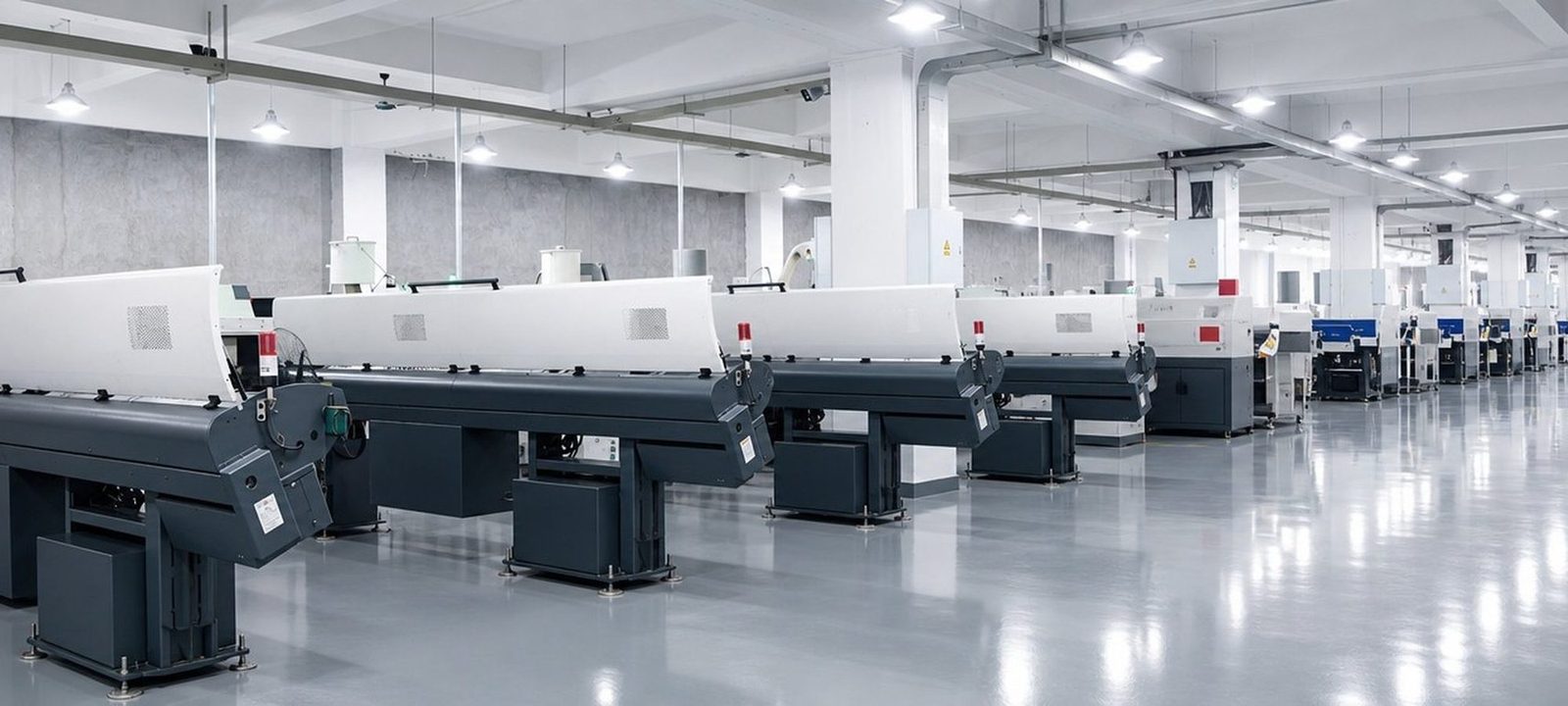
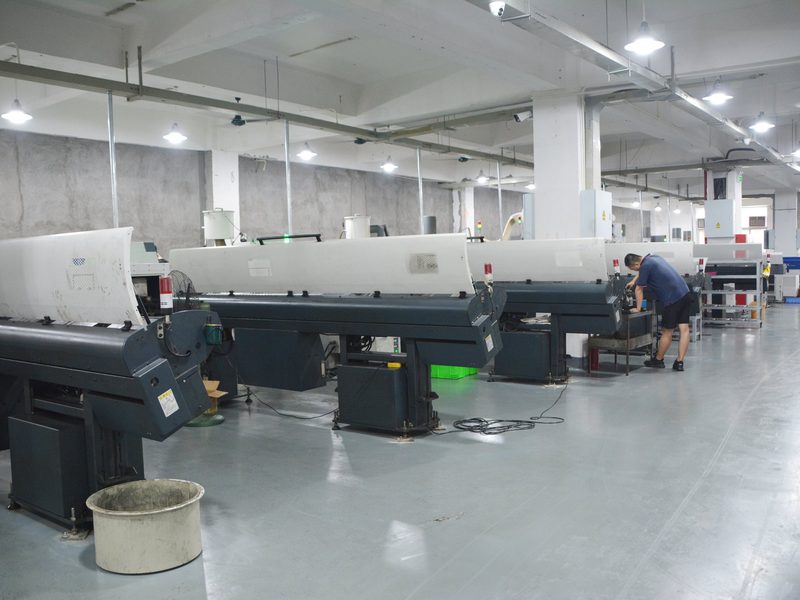
Fifteen bar-fed Swiss-type lathes in a sixty-machine plant. Parts from φ1 to φ38 mm come off complete in one handling — no second op, no re-chuck.
01Bar feeders · overnight runs
22 years of machining, one export company since 2025.
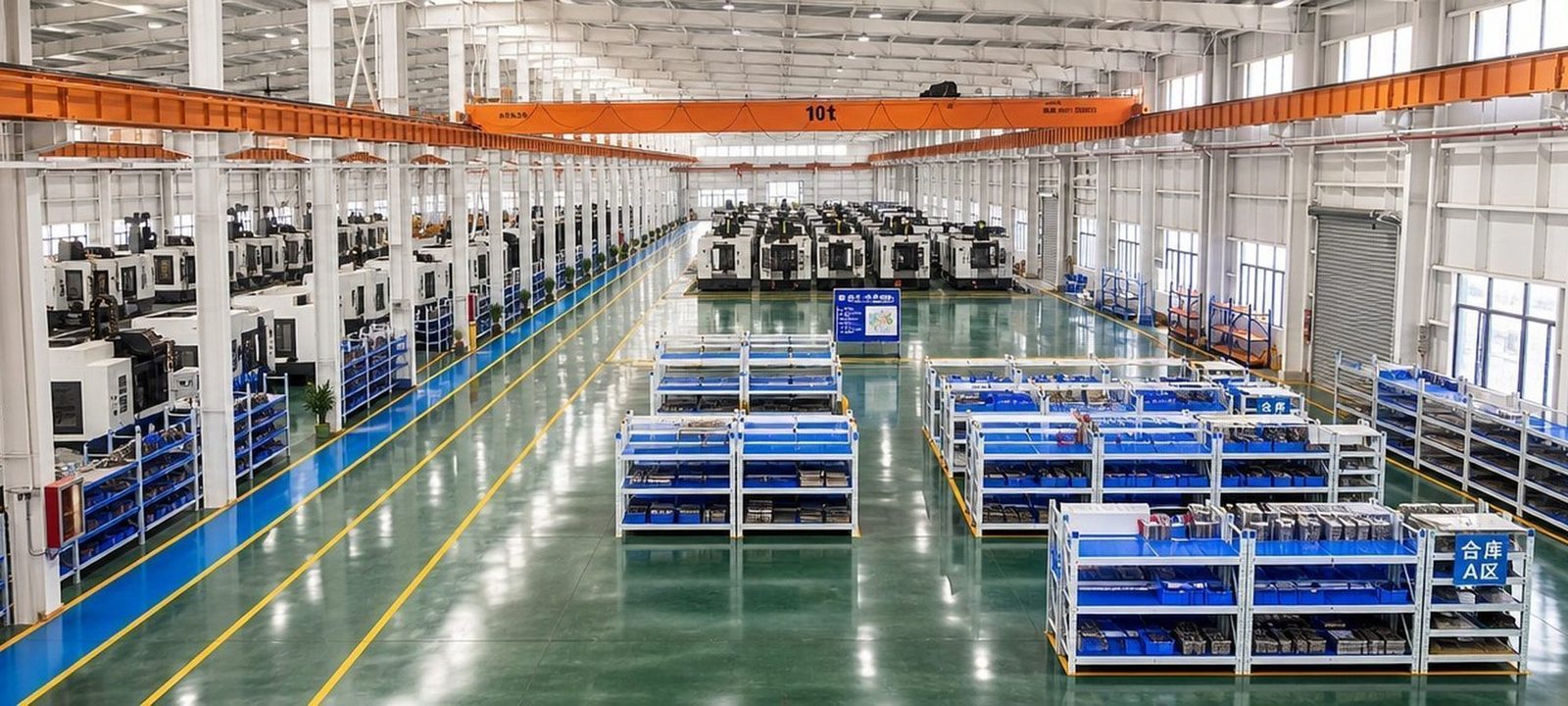
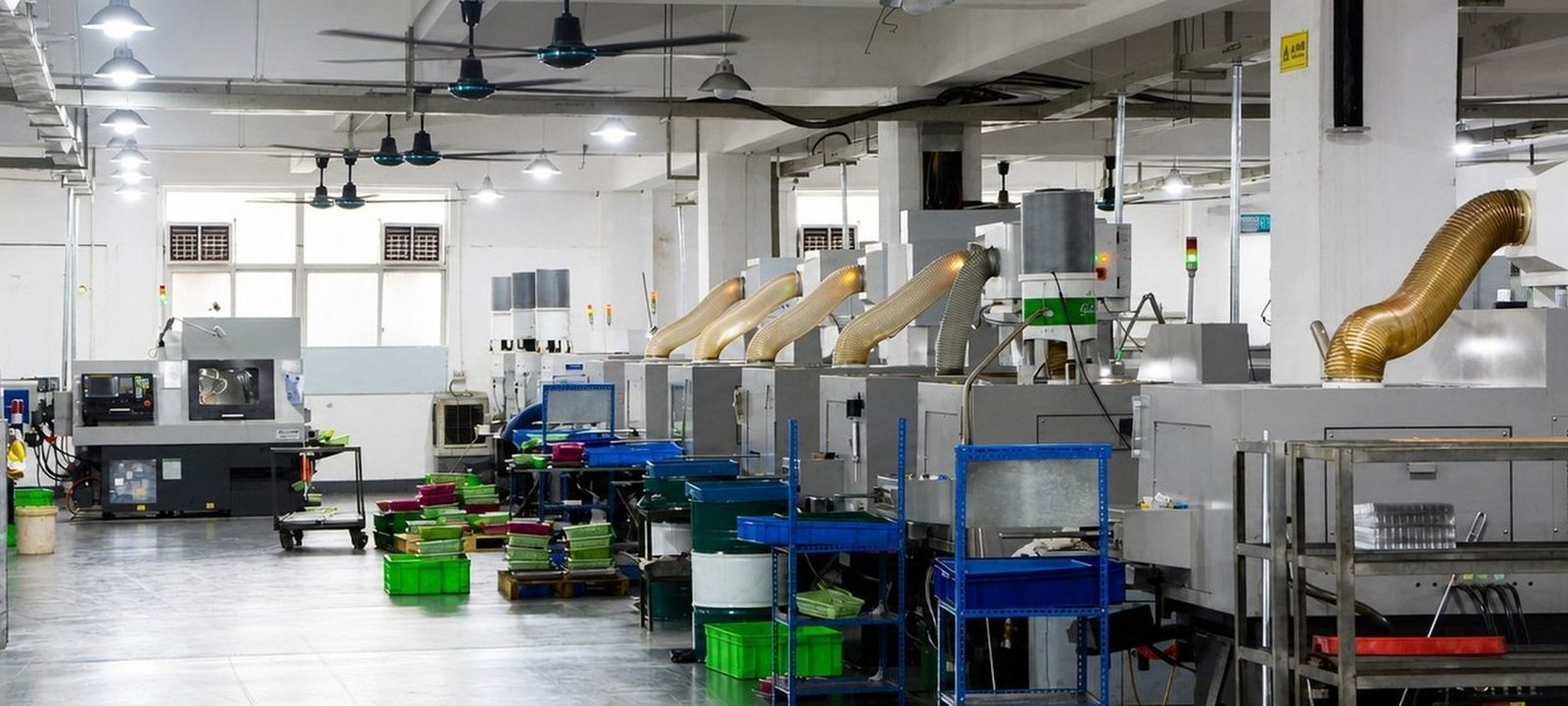
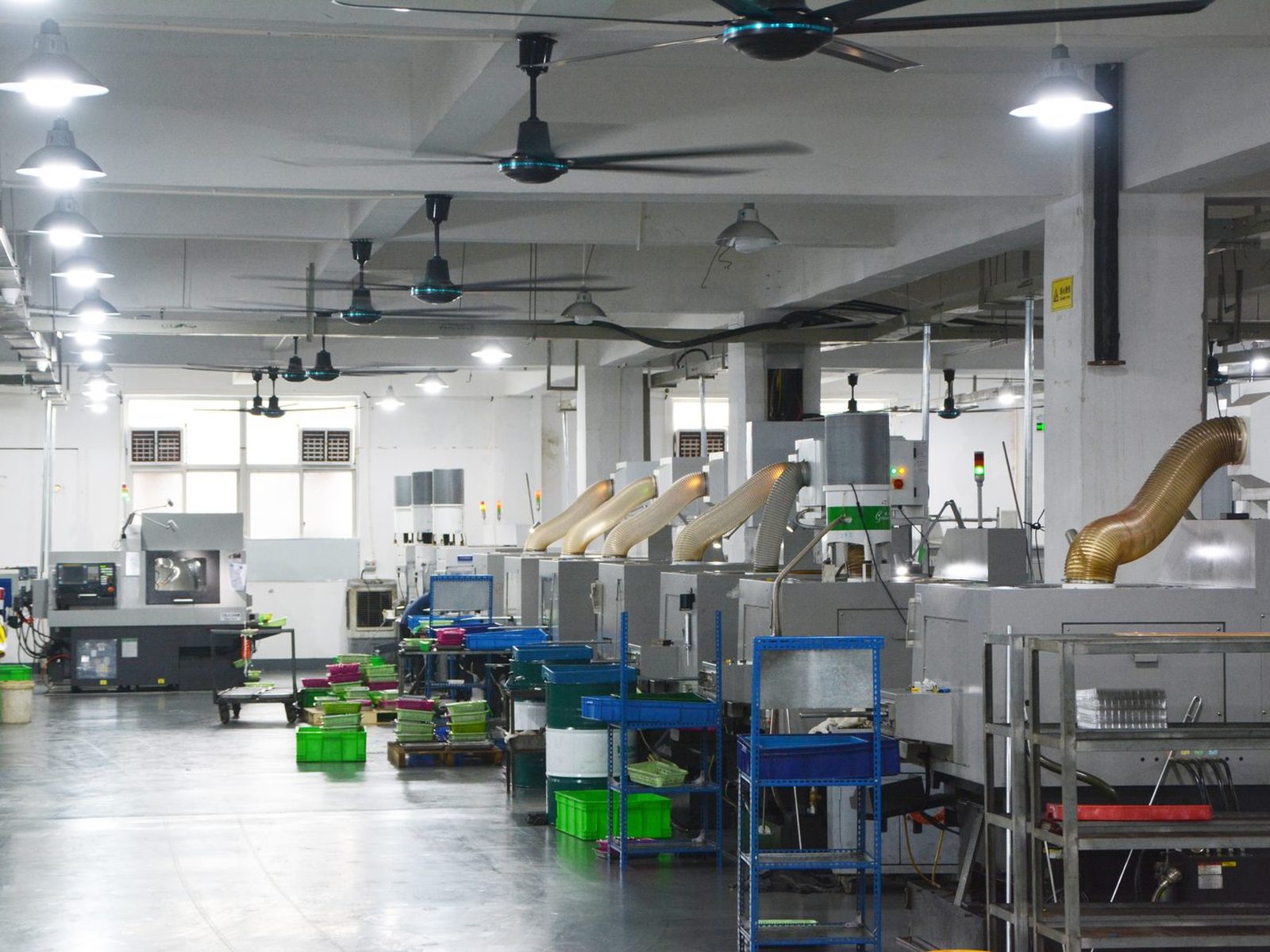
The machines sit in Tong'an, Xiamen: fifteen Swiss-type lathes from Citizen, Tsugami and STAR, ten gang-tool lathes, two four-axis vertical machining centres and two Miyano BNY42 five-axis turn-mills. Sixty-odd machines, most of the small ones bar-fed.
Xiamen Yuhaoxin Technology Co., Ltd. was registered in 2025 to sell that capacity direct. Before that the plant sold through trading companies. Same machines, same inspectors, one less margin in the chain.
How to audit the plantFour stages, each one measurable.
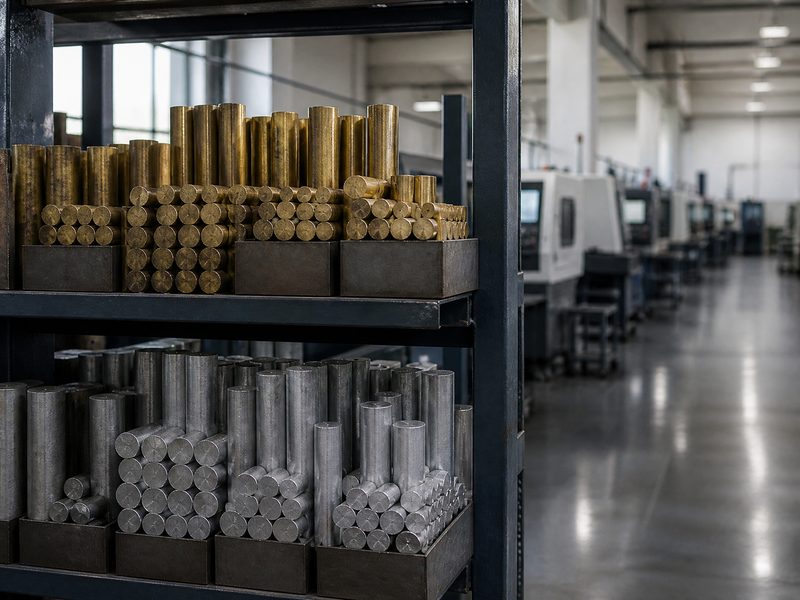
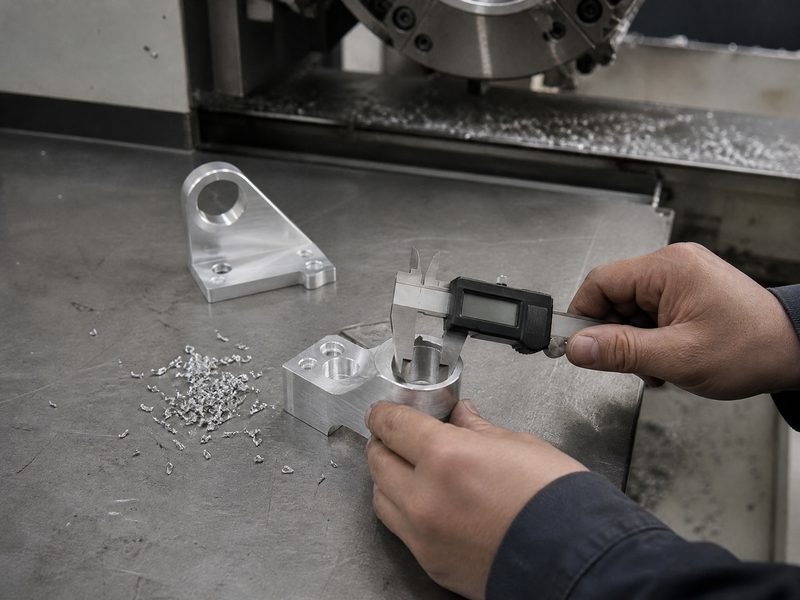
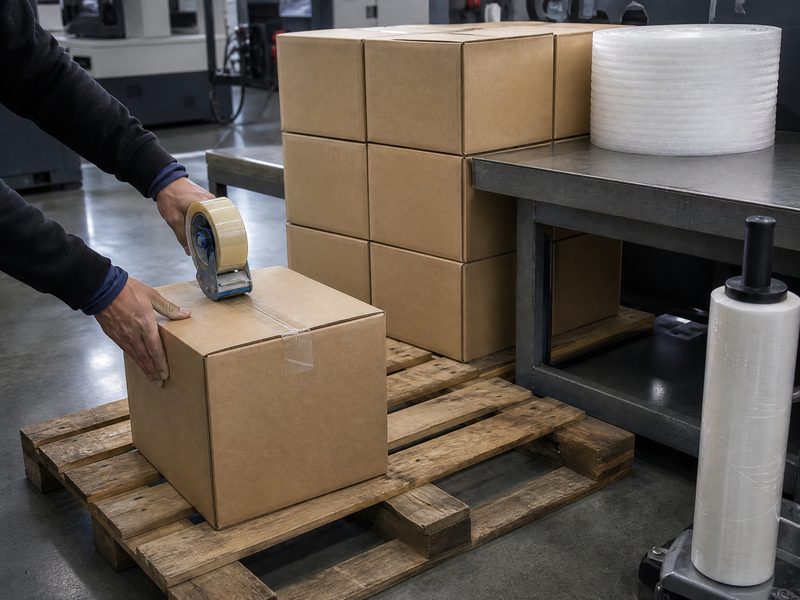
Four checkpoints between the bar and the box. Each one leaves a record: a material certificate, a first-article report, an inspection sheet, a packing list.
Choose a process, not a product.
Every part is made to a customer drawing. These four routes cover the geometry we see most often; the drawing decides the final machine, set-up and inspection plan.
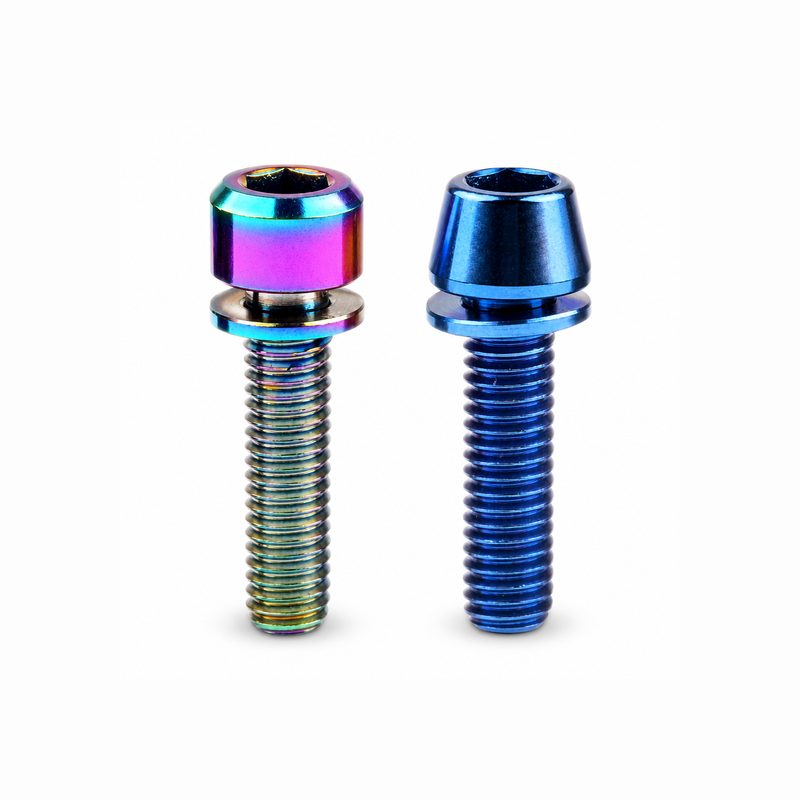 01
CNC Turning
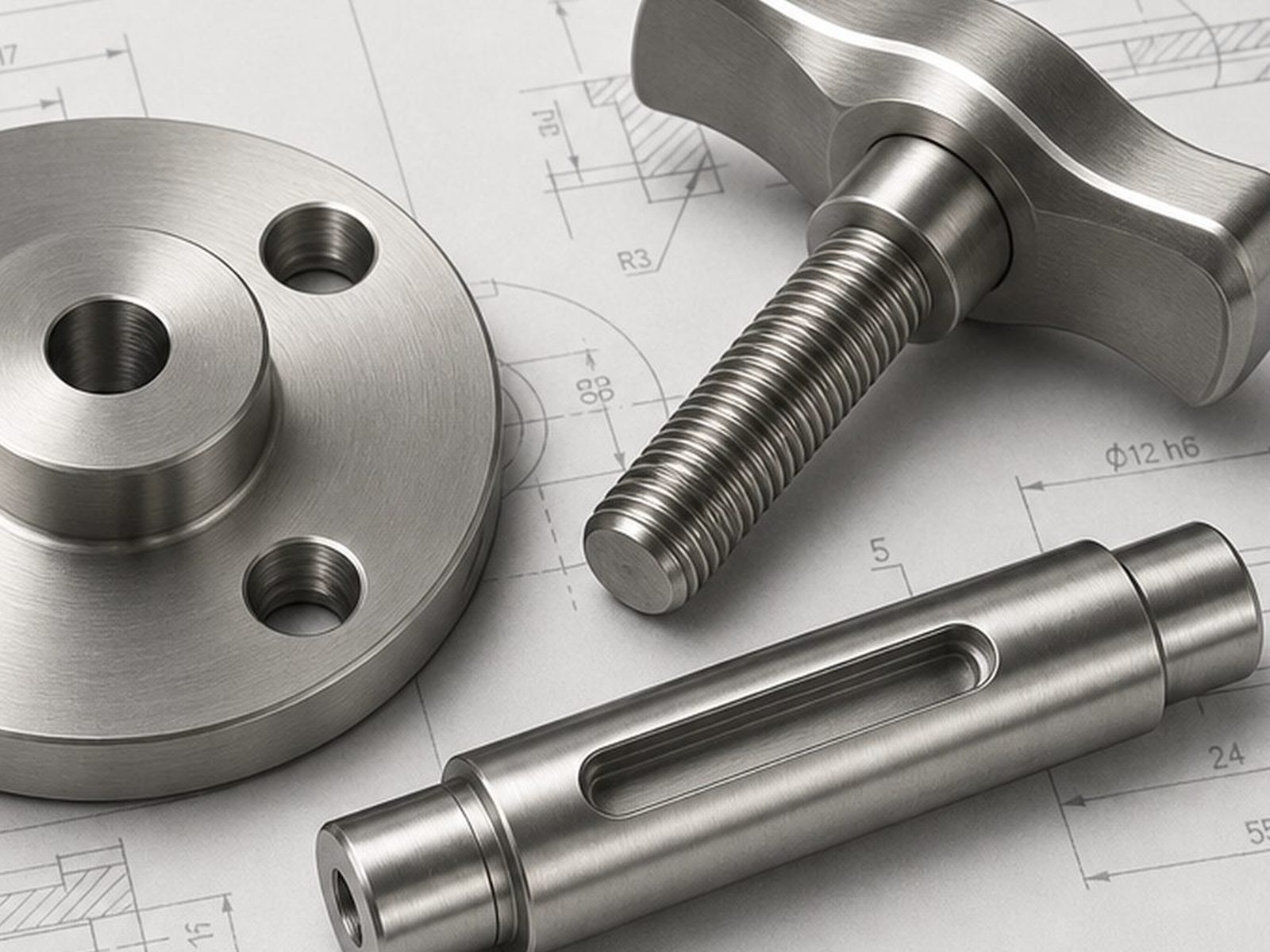
Bushings, shafts, sleeves, flanges and threaded parts from bar.
Explore capability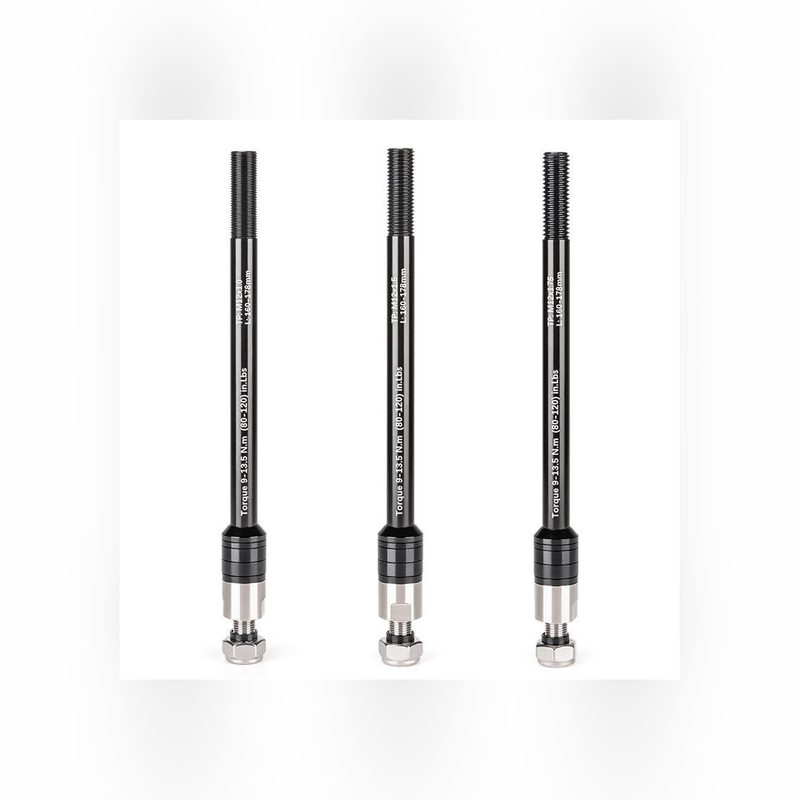 02
Swiss Turning
Long, small-diameter parts complete in one handling on fifteen sliding-head lathes.
Explore capability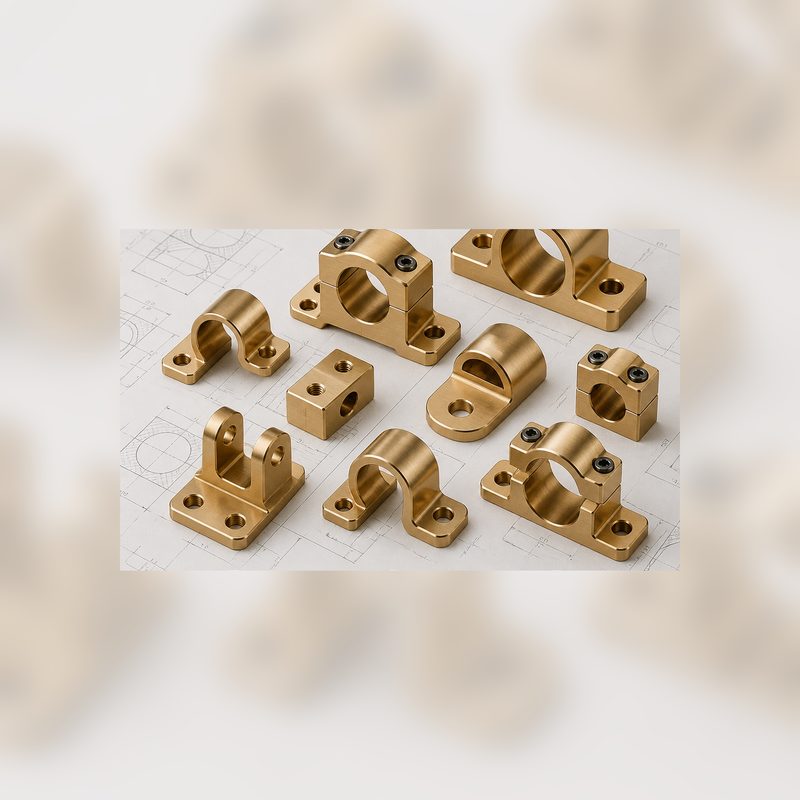 03
CNC Milling & 5-Axis
Manifolds, housings, brackets and multi-face parts held to one datum.
Explore capability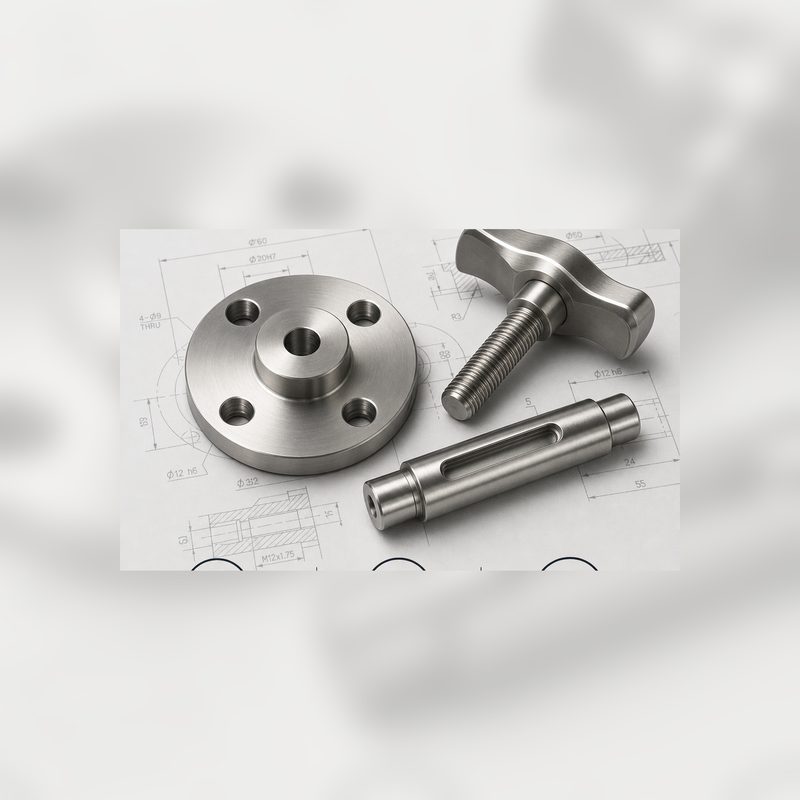 04
Prototype & Low-Volume
First article, dimensional report and the same controlled process when volume ramps.
Explore capabilityThe grade changes the process.
We machine common metals and selected engineering plastics, then coordinate the finish named on the drawing.
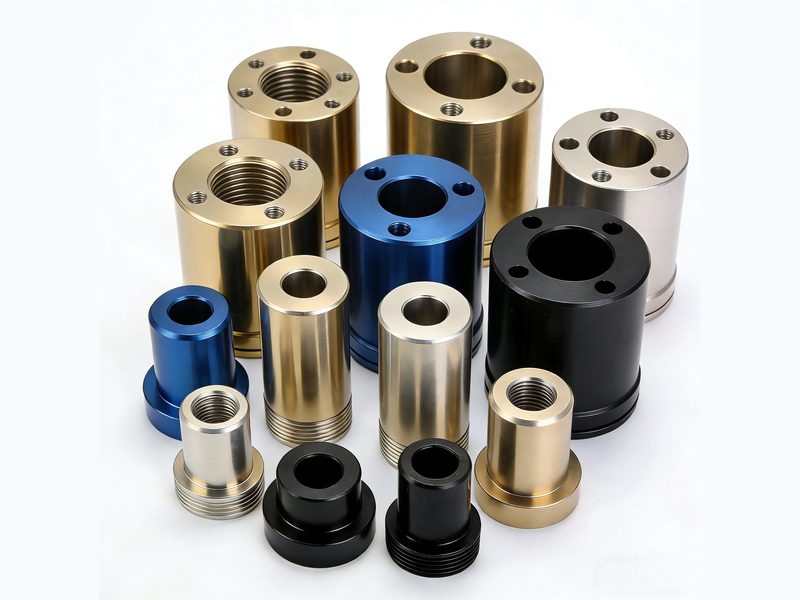
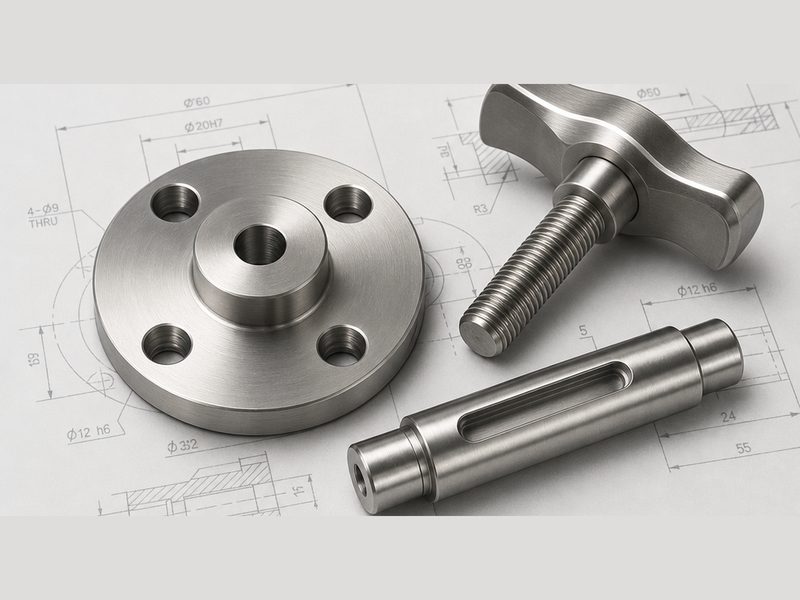
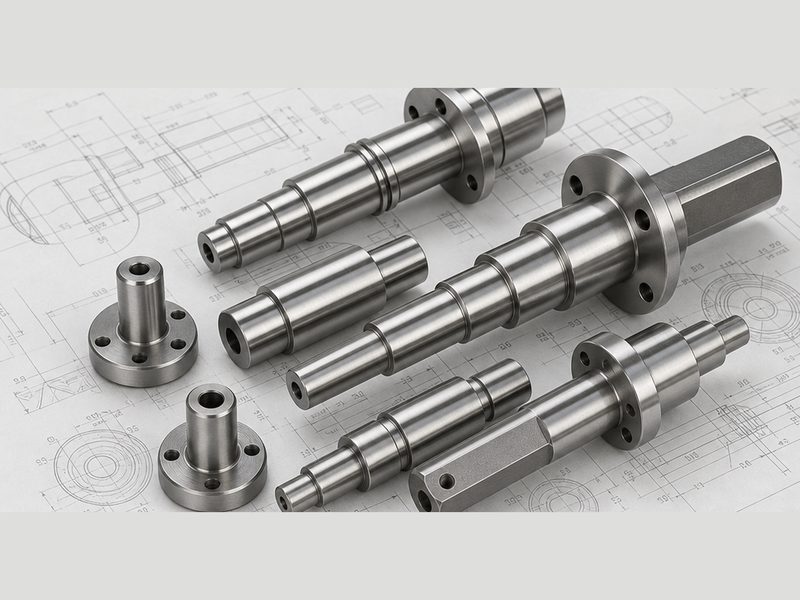
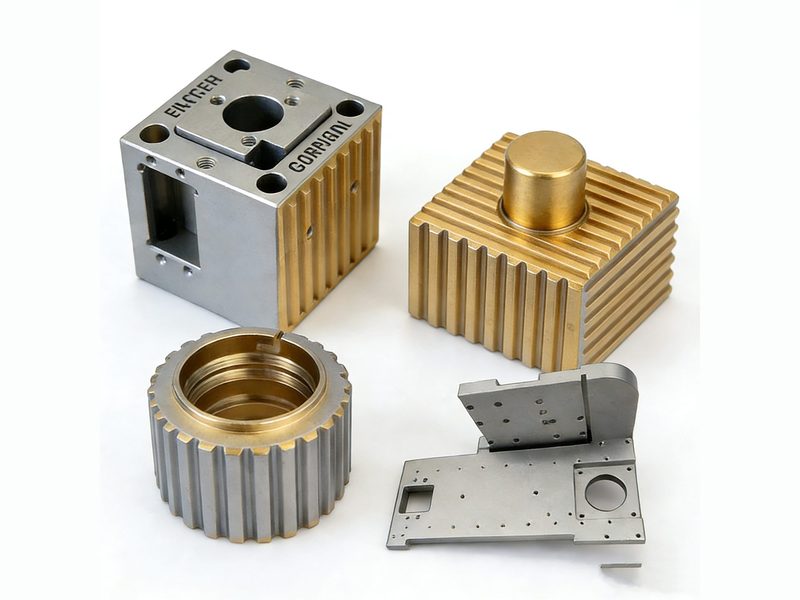
Examples of geometry, not stock for sale.
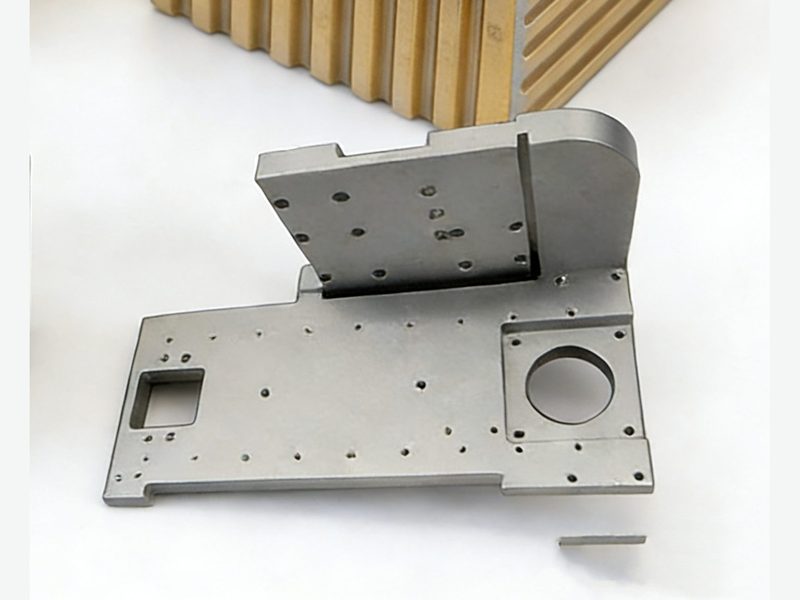
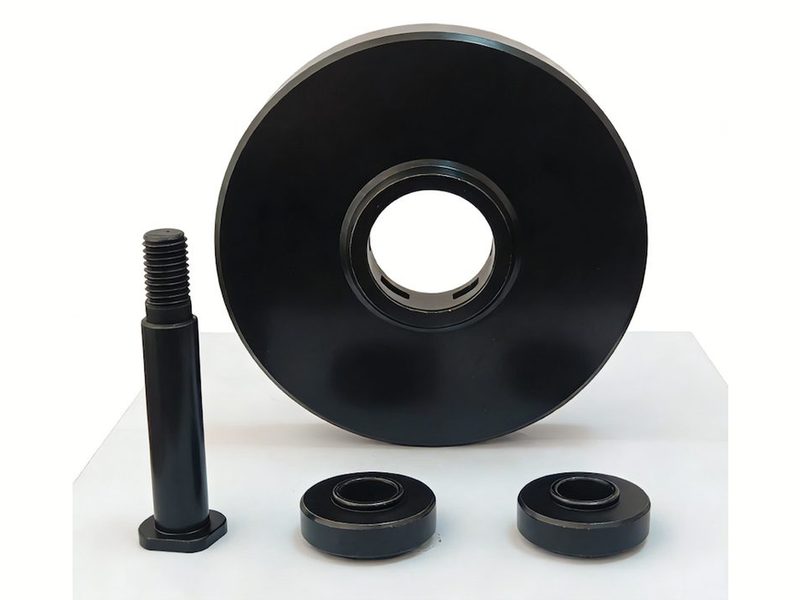
These families show what the machines can hold. Every item is made to the buyer’s drawing, material callout and acceptance criteria.
Five steps from drawing to container.
The steps are fixed. What changes between projects is the drawing, not the process.
Enquiry
Drawing, material, quantity, finish. Send what you have — a photo with dimensions is enough to start.
DFM review
We check the drawing for features that will fail, and come back with a change or a price. 24 hours.
Sample
First article with a dimensional report. 7–15 days from approved drawing.
Production
15–20 days for a batch run, with in-process inspection logged against the FAI.
Shipment
Documents, packing list and photos before the container closes.
Medical, automotive, aerospace, automation and optics.
Most of our work is small precision parts for these five sectors. The tolerances are set by the application, not by our brochure — a medical housing and a bike stem do not get the same callouts.
Eighteen seconds on the floor.
Shot on a phone, unedited: bar feeders running, coolant on, a part measured at the machine. No stock footage — this is the shop your parts come from.
What we tell buyers before they send a drawing.
Written by the people who quote the work, not by a marketing team.
The seven pieces of information that decide a CNC quote, the file formats that survive translation, and what happens when one of them is missing.
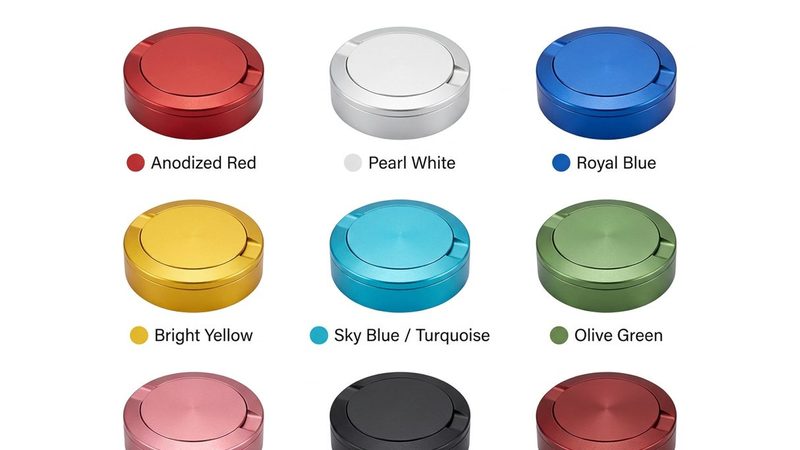
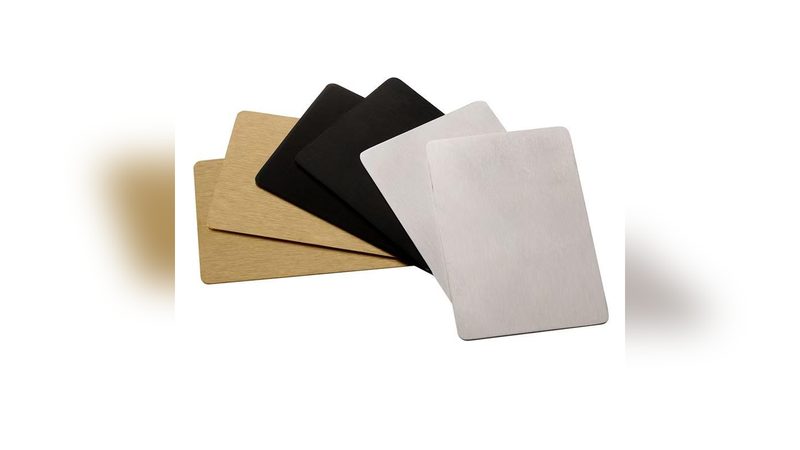
Anodised colour is set by oxide thickness and alloy lot, not by a hex code. What to approve, and when, so the second run matches the first.
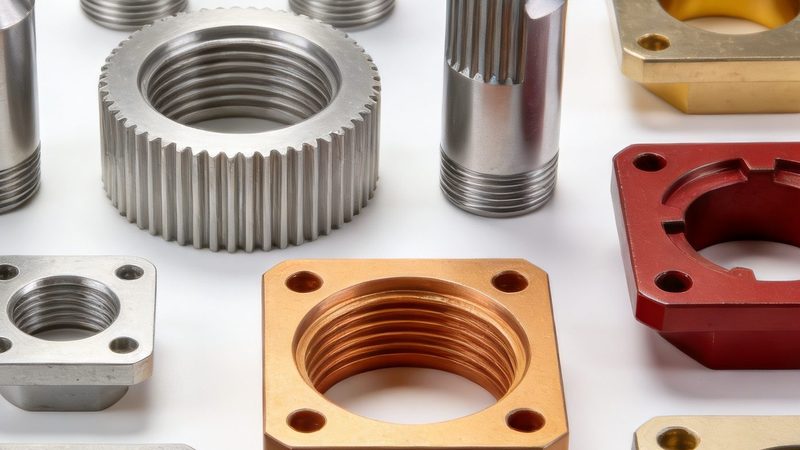
Why ±0.005 mm is a feature-level number, not a shop-level one, and how to read a tolerance callout before you send a drawing to a Chinese machine shop.
Send the drawing. We quote within 24 hours.
STEP, DWG, DXF, PDF or a photo with dimensions. Tell us the material, the annual quantity and the finish, and the quote comes back with the process route and the tolerance we will hold.